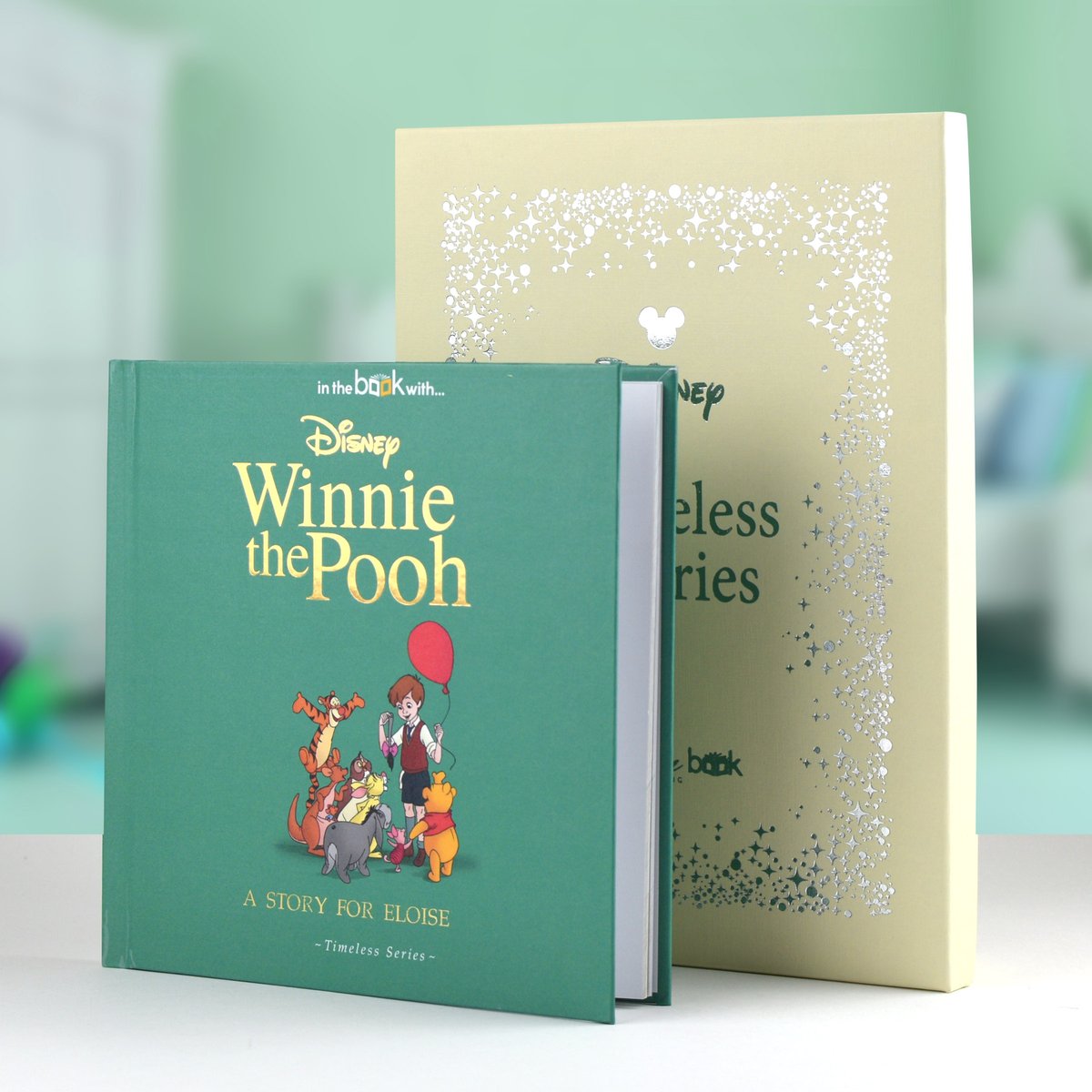
It’s easy to dismiss a story about a bear and his animal friends as mere child’s play. Yet, for nearly a century, the tales of Winnie the Pooh, created by the brilliant A.A. Milne, have offered something far more profound than simple entertainment. From the charming innocence of the Hundred Acre Wood springs an enduring wellspring of wisdom, a gentle philosophy that resonates deeply with adults and children alike. These aren't just stories; they're comprehensive guides to navigating life, friendship, and self-discovery.
These timeless themes and life lessons from Pooh continue to shape our understanding of the world, reminding us of the fundamental truths that often get lost in the hustle and bustle of modern living.
At a Glance: Pooh's Enduring Wisdom
- Find Joy in Simplicity: Appreciate the small, everyday pleasures.
- Feel Your Feelings: Emotions are meant to be experienced, not just thought about.
- Practice Gratitude Daily: Cultivate an abundance mindset for deeper happiness.
- Be Empathetic: A little kindness and understanding go a long way.
- Trust the Journey: Patience and faith are powerful forces for progress.
- Believe in Your Inner Strength: You are more capable than you know.
- Embrace Your Uniqueness: Self-love is the foundation of true potential.
- Listen More, Talk Less: Actively listening expands your world.
- Cherish Your Relationships: The people in your life are treasures.
- Take Action: Don't wait for things to happen; make them happen.
- Spend Time Deliberately: Your time is your most precious resource.
- Prioritize Rest: Doing "nothing" is essential for rejuvenation.
- Pause Your Thoughts: Find peace in the present moment.
- Unleash Imagination: Daydreaming is a powerful tool for connection and creativity.
- Share Your Smile: A simple smile can change your day and someone else's.
The Enduring Charm of the Hundred Acre Wood
First published in 1926, A.A. Milne’s Winnie-the-Pooh stories introduced the world to a collection of characters inspired by his son Christopher Robin Milne’s beloved toy animals. There’s Winnie-the-Pooh, the honey-loving bear; his anxious best friend Piglet; the perpetually gloomy but lovable Eeyore; the bouncy, boisterous Tigger; the maternal Kanga and her joey Roo; and, of course, the wise and kind Christopher Robin.
These aren't just characters; they're archetypes representing various facets of the human experience. Through their seemingly simple adventures in the Hundred Acre Wood, Pooh and his friends unwittingly offer profound wisdom and valuable life lessons that transcend age, culture, and time. If you're looking to dive deeper into their origins, you might want to explore the classic Winnie the Pooh collection.
Let’s unpack some of the most impactful insights from this endearing world.
1. Embrace the Power of Simplicity
In a world obsessed with complexity, Pooh offers a refreshing counter-narrative. His greatest joys stem from the simplest things: a pot of honey, a sunny day, a good friend. He reminds us that happiness isn't a grand destination; it's a collection of moments found in the everyday.
“Sometimes the smallest things take up the most room in your heart.”
This isn't just a sweet sentiment; it's a profound challenge to modern living. How often do we overlook the beauty of a blooming flower, the warmth of a pet, or the melody of a favorite song, chasing after bigger, seemingly more important goals? Pooh invites us to pause, look around, and rediscover the immense satisfaction that comes from finding joy in life's simple pleasures. It's about consciously choosing to appreciate the ordinary, knowing that these small wonders are often the true sources of contentment.
Practical Takeaway: Dedicate five minutes today to fully engage with a simple pleasure – savor a cup of tea, observe the clouds, or just breathe. Notice how it shifts your perspective.
2. Consciously Feel Your Emotions
Pooh, for all his simplicity, possesses an innate understanding of emotions. He doesn’t intellectualize feelings; he feels them. This is a crucial distinction in a society that often encourages us to rationalize or suppress emotional experiences.
When asked how to spell 'love', Pooh replied, “You don’t spell it…you feel it.”
This famous line speaks volumes. Emotions are internal signals, raw data from your body and soul. To truly understand yourself and others, you must allow yourself to experience the full spectrum of emotions – joy, sorrow, anger, fear, and everything in between – without judgment. Consciously feeling emotions, rather than just thinking about them, leads to deeper self-awareness and emotional intelligence.
Practical Takeaway: When a strong emotion arises, instead of immediately trying to fix it or label it, sit with it for a moment. Notice where you feel it in your body. Allow it to be there without needing to change it.
3. Cultivate an Abundance of Gratitude
Even the smallest creatures in the Hundred Acre Wood understand the power of gratitude. Piglet, despite his timid nature, demonstrates an immense capacity for thankfulness.
Piglet noted that "even though he had a very small heart, it could hold a rather large amount of Gratitude.”
Gratitude isn't just a polite gesture; it's a mindset. Regularly expressing appreciation for what you have, rather than focusing on what's lacking, fundamentally shifts your perspective from scarcity to abundance. This shift doesn't just make you feel better; it's been shown to attract more positive experiences and improve overall well-being. It’s a powerful daily practice that strengthens your connection to the good in your life.
Practical Takeaway: Keep a gratitude journal. Each evening, list three things you were genuinely grateful for that day, no matter how small.
4. Develop Empathy and Consideration
The friendships in the Hundred Acre Wood are built on a foundation of genuine care and consideration. Whether it's Pooh trying to cheer up Eeyore or Piglet offering quiet support, empathy is a constant thread.
A little consideration and thought for others makes a significant difference. Empathy is the ability to understand and share the feelings of another. It’s powerful for connecting with others, but also for understanding yourself better through the lens of shared human experience. When you put yourself in someone else's shoes, even for a moment, you gain perspective that enriches your own life.
Practical Takeaway: Before responding to someone, especially in a disagreement, take a moment to consider their perspective and feelings. Ask yourself, "What might they be experiencing right now?"
5. Cultivate Patience and Faith in the Journey
The river, a recurring motif in Pooh's world, offers a beautiful metaphor for life's journey. It moves steadily, unhurriedly, knowing its destination.
"Rivers know this: There is no hurry. We shall get there some day."
This wisdom speaks directly to our modern impatience. We live in a culture of instant gratification, often feeling frustrated when goals aren't met immediately. Pooh reminds us that some journeys, some dreams, require time, perseverance, and a deep-seated faith that things will unfold as they should. Patience combined with faith acts as a powerful force for achieving meaningful goals, allowing us to trust the process rather than agonizing over every step.
Practical Takeaway: Identify a long-term goal you're working towards. Instead of solely focusing on the outcome, identify and appreciate the small, patient steps you're taking along the way.
6. Believe in Your Inner Self
Perhaps one of the most heartwarming lessons comes from Christopher Robin, who sees the true potential in his friends, even when they doubt themselves.
Christopher Robin told Pooh: “You are braver than you believe, Stronger than you seem, And smarter than you think.”
This isn't just a compliment; it’s a profound affirmation of self-belief. What one thinks about oneself matters most. So often, we underestimate our own capabilities, allowing fear or self-doubt to hold us back. Pooh’s stories consistently show that true strength lies not in physical prowess or intellectual brilliance, but in the quiet courage to try, the resilience to keep going, and the belief in one's inherent worth. Understanding this can be a crucial step in courage to face life's challenges.
Practical Takeaway: When facing a new challenge or feeling self-doubt, recall a past success, no matter how small, where you demonstrated bravery, strength, or intelligence. Remind yourself that those qualities still reside within you.
7. Embrace Your Unique Self-Love
Piglet, despite his anxieties and small stature, ultimately comes to terms with what makes him, him. This self-acceptance is a beautiful form of self-love.
As Piglet observed, “The things that make me different are the things that make me ME.”
In a world that constantly pushes us to conform or compare, this is revolutionary. Self-love is the greatest love, not in a narcissistic sense, but as a foundational acceptance of who you are, flaws and all. It frees one from comparisons, jealousy, and the constant need for external validation. When you truly embrace your unique qualities, you create the space to reach your true potential and find authentic happiness. Learning to appreciate this aspect of yourself is key to the quiet strength of self-compassion.
Practical Takeaway: List five things you genuinely like about yourself – your quirky habits, your unique talents, your kind gestures. Celebrate them.
8. The Art of Active Listening
While Pooh and his friends are certainly capable of conversation, there's a subtle wisdom woven into the importance of simply being present and listening.
"Some people talk to animals. Not many listen though. That’s the problem.”
This applies not just to animals but to all interactions. Listening is an art that widens perspective and improves perception. In a world full of noise, truly hearing another person is a rare gift. It's about more than just waiting for your turn to speak; it's about giving your full attention, seeking to understand, and absorbing what's being communicated, both verbally and non-verbally. Active listening builds trust, deepens relationships, and reveals insights you might otherwise miss.
Practical Takeaway: In your next conversation, make a conscious effort to listen without interrupting or formulating your response. Focus entirely on understanding the other person's message.
9. Value and Nurture Relationships
The bond between Pooh and his friends is the heart of the Hundred Acre Wood. Their adventures, big and small, are always shared, reminding us of the profound importance of human connection.
“How lucky am I to have something that makes saying goodbye so hard.”
This quote, often attributed to Pooh, perfectly encapsulates the bittersweet nature of cherished relationships. It speaks to the depth of connection that makes parting difficult but also highlights the immense joy and privilege of having such bonds in the first place. Taking a moment daily to appreciate the beautiful people in your life – friends, family, mentors – is crucial for well-being. These connections are our greatest treasures, offering support, joy, and meaning. Nurturing these bonds can contribute to nurturing meaningful friendships.
Practical Takeaway: Send a text, make a call, or write a short note to someone you value today, simply to tell them you appreciate them.
10. Take Conscious Action
Pooh might be a bear of little brain, but he understands that waiting around won't get you where you need to be, especially if you're looking for honey.
"You can’t stay in your corner of the Forest waiting for others to come to you. You have to go to them sometimes."
This is a powerful lesson in agency. To achieve desired realities, one must take action, not just wait. Dreams remain dreams without steps taken towards them. Action shatters self-doubt, clarifies the path forward, and builds momentum. It's about moving from passive hope to active engagement, understanding that you have a role to play in creating your own opportunities and experiences.
Practical Takeaway: Identify one small step you can take today towards a goal you've been procrastinating on. Take that step.
11. Spend Time Wisely and Deliberately
Time, unlike honey, cannot be saved. It can only be spent – wisely or foolishly. While Pooh might not explicitly articulate this, his relaxed approach to life still demonstrates an implicit understanding of cherishing moments.
Being conscious of how time is spent means prioritizing uplifting activities, learning to say 'NO' to energy drains, and consciously carving out space for what truly matters. It’s about being present in the moments you choose, rather than letting time simply slip away.
Practical Takeaway: For one day, track how you spend your time. At the end of the day, review and identify one activity you could reduce or eliminate to free up time for something more meaningful.
12. Prioritize Rest and Relaxation
The art of "doing nothing" is often undervalued in our productivity-obsessed society. Pooh, however, seems to have mastered it.
“Don’t underestimate the value of doing nothing, of just going along, listening to all the things you can’t hear, and not bothering.”
This isn't about laziness; it's about intentional rest. Taking time off for genuine rest and relaxation is crucial for rejuvenating the body, mind, and spirit. It allows for creative thought to emerge, for stress to dissipate, and for a deeper connection to the present moment. Sometimes, the most productive thing you can do is take a break.
Practical Takeaway: Schedule 15-30 minutes of "do nothing" time today. Sit quietly, look out a window, or simply rest your eyes. Resist the urge to check your phone or actively think.
13. Take Breaks from Overthinking
Our minds are powerful tools, but they can also become relentless mills of repetitive thought, churning over worries or replaying past events. Pooh, with his "brain of very little brain," often finds peace in simply being.
"Did you ever stop to think, and forget to start again?"
This humorous question holds a deep truth. Occasionally taking a break from habitual thinking and staying present allows one to become mindful, observe, and appreciate the surrounding beauty. It's about stepping out of the analytical mind and into a state of pure awareness, which is a cornerstone of practicing mindfulness and being present. This practice can reduce stress and open you up to new insights.
Practical Takeaway: When you find yourself caught in a loop of overthinking, try a simple grounding exercise: focus on five things you can see, four things you can hear, three things you can feel, two things you can smell, and one thing you can taste.
14. Unleash the Power of Imagination
Pooh's world is a testament to the boundless power of imagination. Dreams and make-believe aren't just for children; they are vital for connection, creativity, and problem-solving.
"I think we dream so we don’t have to be apart for so long. If we’re in each other’s dreams, we can be together all the time.“
Imagination is a powerful human tool, allowing us to envision possibilities, understand complex ideas, and even maintain connections across distances or through different states of being. Don't feel guilty to lose yourself in it sometimes. It's how new ideas are born, how empathy is cultivated, and how we keep the magic alive in our lives.
Practical Takeaway: Take 10 minutes to daydream without agenda. Let your mind wander freely, exploring scenarios, ideas, or fantastical worlds. See where it takes you.
15. Don't Forget to Smile
A simple smile, often taken for granted, holds immense power. It's a universal language of warmth and positivity.
“Always wear a smile, because your smile is a reason for many others to smile!”
Smiling has a profound impact, not just on those around you, but on yourself. It can relax the body, reduce stress, and even trick your brain into feeling happier. A genuine smile is contagious, spreading positive feelings and creating a more approachable, welcoming atmosphere. It's a small gesture with a huge ripple effect.
Practical Takeaway: Make an effort to smile at least three strangers today. Notice how it feels and observe their reactions.
Living Pooh's Wisdom in a Complex World
The stories of Winnie the Pooh are far more than nostalgic tales; they are a gentle but potent reminder of the fundamental truths that govern a life well-lived. In an increasingly complex world, the timeless themes and life lessons from Pooh offer a refreshing simplicity, an invitation to slow down, feel deeply, and appreciate the immense beauty in the ordinary.
You don't need a "brain of very little brain" to understand these lessons; you just need an open heart and a willingness to see the magic in everyday moments, just like the inhabitants of the Hundred Acre Wood. By consciously integrating these principles into your daily life, you can cultivate greater peace, joy, and connection, ensuring that Pooh's wisdom continues to enrich your journey, no matter your age.