Step into a world where honey pots are always full, adventures await just beyond the garden gate, and a wise old bear dispenses simple truths. For generations, Winnie the Pooh and his friends have captivated hearts, their stories a timeless testament to childhood imagination and friendship. But what if we told you that the whimsical Hundred Acre Wood wasn't merely a figment of a writer's mind, but a tangible place rooted in the rolling hills and ancient woodlands of Southeast England? This isn't just a tale of fiction; it's the enthralling narrative of The Real-Life Origins: Christopher Robin & Ashdown Forest, a journey that bridges the gap between beloved fantasy and a very real, very enchanting landscape.
Before you set off on your own literary expedition, here’s a quick overview of what makes this story so captivating:
At a Glance: Ashdown Forest & The Hundred Acre Wood
- A Real-World Muse: The iconic Hundred Acre Wood from Winnie-the-Pooh stories is directly inspired by Ashdown Forest in East Sussex, England.
- Father-Son Magic: Author A.A. Milne created Winnie the Pooh in 1926, drawing extensively from the imaginative play of his son, Christopher Robin, with his stuffed animals amidst the forest's natural beauty near their home.
- Mapping the Tales: Many specific locations from the Pooh stories—like Galleon’s Lap, the Heffalump Trap, and Roo’s Sandy Pit—have direct, real-life counterparts in Ashdown Forest.
- Poohsticks, Anyone?: The famous game of Poohsticks is not only real but can be played at the actual Poohsticks Bridge, a beloved pilgrimage site for fans.
- Your Own Adventure Awaits: Ashdown Forest is a vibrant, accessible public space, inviting visitors to explore the very trails and nooks that sparked one of the world's most cherished literary creations.
The Genesis of a Legend: A.A. Milne, Christopher Robin, and a Bear Named Pooh
Imagine a quintessential English countryside, a haven of peace far from the bustle of London. This was the setting for the Milne family's country home, Cotchford Farm, nestled on the edge of Ashdown Forest. It was here, in the early 20th century, that a father's keen observation of his young son's playtime would sow the seeds for a literary phenomenon.
A.A. Milne, a prolific writer for Punch magazine, playwright, and novelist, might never have penned the tales of Winnie the Pooh had it not been for his only son, Christopher Robin. As Christopher grew, his world became populated by a collection of beloved stuffed animals: an Edward Bear (later named Winnie after a bear Christopher saw at the London Zoo), a Piglet, an Eeyore, Kanga, and Roo (Tigger arrived slightly later). Their daily adventures, enacted with earnestness and boundless imagination within the vibrant canvas of Ashdown Forest, became Milne's unparalleled muse.
In 1926, the first collection, Winnie-the-Pooh, was published, followed by The House at Pooh Corner in 1928. What Milne created was more than just children's stories; he crafted a universe brimming with simple joys, profound friendships, and gentle wisdom, all born from the unfiltered perspective of a child playing with his toys in a very specific, magical place. The charm wasn't just in the characters, but in the vivid, almost palpable setting that felt both universally recognizable and uniquely personal. This deep connection to a real place is a cornerstone of the stories' enduring appeal, inviting readers not just into a narrative, but into a landscape alive with history and wonder.
Ashdown Forest: Stepping into the Hundred Acre Wood
To understand Winnie the Pooh, you must understand Ashdown Forest. This ancient area of heathland, woodland, and gorse, sprawling across East Sussex, England, is the undisputed blueprint for the Hundred Acre Wood. Part of the High Weald Area of Outstanding Natural Beauty, the forest is not a dense, enclosed woodland but rather a mosaic of open heath, scattered trees, and intimate copses. Its diverse topography—from heather-clad hills to hidden valleys and babbling brooks—provided the perfect backdrop for imaginative play and, subsequently, the setting for Pooh's adventures.
Kathryn Aalto's meticulously researched book, The Natural World of Winnie-the-Pooh: A Walk Through The Forest That Inspired The Hundred Acre Wood, vividly details these connections, illustrating how Milne seamlessly transposed the real landscapes and landmarks onto his fictional narratives. He didn't just borrow elements; he wove the very spirit of Ashdown Forest into the fabric of his stories. The forest’s paths became Pooh’s wandering tracks, its streams the setting for grand expeditions, and its solitary trees the perfect perches for wise old owls.
The beauty of Ashdown Forest lies in its accessibility and its timelessness. Despite the passage of nearly a century since Milne wrote his tales, much of the forest remains remarkably unchanged, allowing visitors today to experience the same vistas and wander the same paths that inspired Christopher Robin's world. It's a place where the line between reality and story blurs, where every rustle in the bracken might be Piglet, and every distant hum a Pooh searching for honey.
Charting the Familiar: Where Pooh's Adventures Really Happened
One of the most captivating aspects of Winnie-the-Pooh's origins is the precise mapping of fictional locations to their real-world counterparts within Ashdown Forest. This isn't a vague inspiration; it's a direct, almost photographic translation of specific spots into iconic settings that generations of readers have come to know and love.
The Five Hundred Acre Wood: Heart of the Hundred Acre
The fictional "Hundred Acre Wood" – the central setting for most of Pooh's adventures and the home of Owl – takes its name directly from the real-life Five Hundred Acre Wood within Ashdown Forest. Milne cleverly scaled down the name, perhaps to make it more digestible for young readers or to evoke a sense of intimacy.
This real wood is a dense, enchanting area, largely comprised of Scots pines, providing a suitably mysterious and secluded atmosphere for the characters' dwellings and escapades. It’s easy to imagine Owl’s grand, if somewhat precarious, residence nestled among these trees, or Pooh and Piglet embarking on an adventure into its depths, always a little uncertain of what they might encounter. The Five Hundred Acre Wood perfectly captures the balance of comfort and mild peril that defines many of the Pooh stories.
Galleon's Lap & The Enchanted Place: Heights of Imagination
Standing proudly as one of the most prominent hilltops in Ashdown Forest is Gill's Lap. This commanding elevation offers panoramic views across the landscape, making it a natural magnet for imaginative play. In Milne's stories, it transforms into Galleon's Lap, a place of contemplation and grand pronouncements, often where Christopher Robin and Pooh would share quiet moments or plan their next big adventure.
Just north of Gill's Lap lies The Enchanted Place, a truly special cluster of trees. Christopher Robin famously struggled to count them accurately, declaring there were "sixty-three or sixty-four," a detail Milne faithfully recorded. This spot is the highest point in Ashdown Forest, characterized by its remarkably close-set grass, which Christopher Robin fondly recalled as the only place where he and his friends could sit without encountering prickly vegetation. More than just a location, The Enchanted Place symbolizes a transition, a magical threshold from the pure innocence of childhood to a burgeoning awareness of the wider world, a sentiment beautifully captured in the stories.
The Heffalump Trap: A Clever Deception
Every reader remembers Pooh's ingenious, if slightly flawed, plan to catch a Heffalump using a honey pot as bait in a strategically dug pit. The real-life inspiration for The Heffalump Trap is a distinctive, small hollow marked by a lone pine tree. This humble spot perfectly embodies the innocent cunning and well-intentioned blunders that characterize Pooh Bear. It’s a testament to how even the smallest, most unassuming features of the landscape could spark an entire, memorable storyline.
Roo's Sandy Pit: A Playful Dig
For the energetic and adventurous Roo, a place to play and dig was essential. Milne found this in a disused quarry in the forest, which became Roo's Sandy Pit. These former quarries, with their soft, sandy banks, provided an ideal environment for children to explore, build, and imagine. It speaks to the authenticity of Milne's observations that even such specific, child-centric play areas found their way into the stories, giving Roo a perfect backdrop for his spirited antics.
Owl's House & Other Hidden Nooks
While not tied to one single, easily identifiable structure, Owl's house is described as being within the Hundred Acre Wood (the real Five Hundred Acre Wood). Its general location suggests a grand tree, high up, offering a sense of scholarly isolation and wisdom. Many visitors enjoy imagining which stately tree might have been Owl’s dwelling, adding a layer of personal discovery to their exploration. Throughout the forest, countless other unnamed hollows, streams, and patches of woodland became the stage for Eeyore’s gloom, Piglet’s timidity, and Tigger’s boundless energy.
The Expedition to the North Pole: A Heroic Trek
One of the most memorable adventures in Winnie-the-Pooh is the "expedition to discover the North Pole." This heroic trek by Pooh and his friends follows a specific route through Ashdown Forest, leading them to a particular stream. It is here that Roo, ever curious, tumbles in, prompting Pooh's quick thinking and ultimate triumph. Pooh uses a stick to rescue Roo, tying a notice to it that famously reads: "NorTH PoL E DICSovERED By PooH PooH FouND IT." This entire sequence, from the journey through the forest to the dramatic rescue and triumphant claim, directly mirrors a real path and a real stream within Ashdown Forest, allowing visitors to retrace the steps of this iconic literary expedition.
The Enduring Game: Poohsticks Bridge and the Joy of Simplicity
Perhaps no other element from the Pooh stories has transcended the page into real-world tradition quite like the game of Poohsticks. Featured prominently in The House at Pooh Corner, Poohsticks is a game of pure, unadulterated simplicity and anticipation.
The rules are straightforward:
- Each player chooses a stick.
- Players stand on the upstream side of a bridge and drop their sticks into the water simultaneously.
- Everyone then rushes to the downstream side of the bridge.
- The winner is whose stick emerges from under the bridge first.
What makes Poohsticks so enchanting is its complete lack of strategy. It relies entirely on chance, the whims of the current, and a childlike wonder at the journey of a simple stick. This game has been embraced by generations, becoming a beloved pastime for families visiting Ashdown Forest.
The real-life Poohsticks Bridge is located near Lintons car park within Ashdown Forest. It's a humble wooden bridge over a small stream, but its significance is monumental. A pilgrimage site for fans young and old, the bridge hosts countless games of Poohsticks every year. There's something truly magical about standing on the very bridge where Pooh, Piglet, and Christopher Robin played, participating in a tradition that connects you directly to the heart of the stories. It’s a powerful reminder that the greatest joys are often found in the simplest pleasures. For many, a visit to Poohsticks Bridge is more than just a tourist stop; it's an immersive dive into the spirit of childhood, imagination, and enduring friendship. If you’re captivated by the timeless appeal of these stories and wish to delve deeper into their enduring magic, you can Explore the Classic Winnie the Pooh and rediscover the tales that continue to charm the world.
Planning Your Pilgrimage: Visiting Ashdown Forest Today
Ashdown Forest isn't just a historical curiosity; it's a living, breathing landscape that welcomes visitors to explore its beauty and walk in the footsteps of Pooh and friends. Situated in East Sussex, England, within the High Weald Area of Outstanding Natural Beauty, it offers a refreshing escape and a unique blend of literary pilgrimage and natural exploration.
Getting There and Getting Around
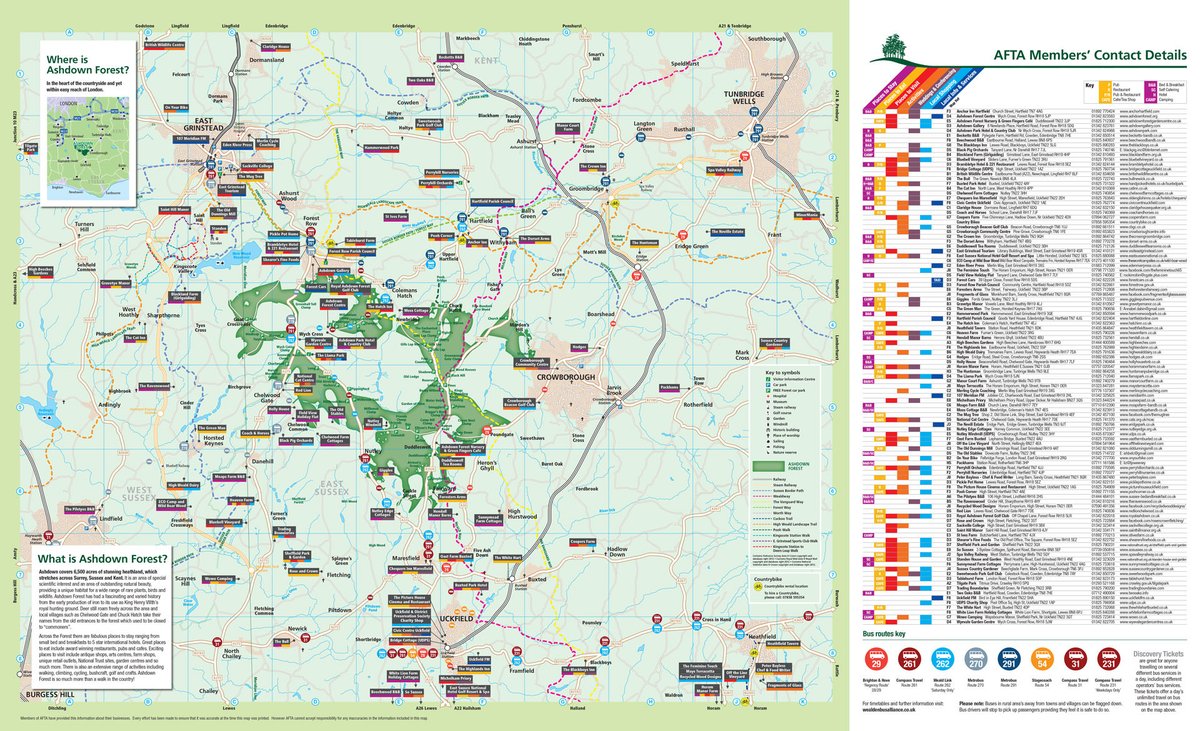
The forest is easily accessible, and navigating its vast expanse is made simple by numerous well-signposted car parks dotted throughout. Each car park provides access to different parts of the forest, leading to various walks and trails suitable for all fitness levels. A highly recommended starting point for those keen to visit the iconic Pooh sites is Gill’s Lap car park, which puts you within easy walking distance of Gill's Lap (Galleon's Lap) and The Enchanted Place.
From these car parks, a network of footpaths, bridleways, and open access land invites you to wander. Whether you're seeking a short stroll to Poohsticks Bridge or a more adventurous hike to trace the North Pole expedition, clear maps and local signage can guide your way. Keep an eye out for interpretive panels that highlight key Pooh locations.
Where to Rest and Refuel
After a delightful ramble through the Hundred Acre Wood, you’ll undoubtedly be ready for some refreshment. The charming villages surrounding Ashdown Forest offer a warm welcome, with a selection of traditional village pubs serving hearty meals and local ales, and quaint tea rooms providing a quintessential English experience with cakes, sandwiches, and, of course, pots of tea. These establishments often embrace their connection to the Pooh stories, making them perfect spots to reflect on your forest adventures.
A.A. Milne’s own words, "You can’t stay in your corner of the Forest waiting for others to come to you. You have to go to them sometimes," resonate deeply here. They not only speak to the spirit of exploration within the Pooh stories but also serve as an open invitation to visitors: the magic is out there, waiting for you to discover it. Embrace the journey, wander off the beaten path (safely, of course), and allow yourself to reconnect with the simple wonders that inspired a literary masterpiece.
Beyond the Pages: The Lasting Whisper of Ashdown Forest
The enduring legacy of Winnie the Pooh is deeply intertwined with the very ground of Ashdown Forest. It’s a testament to the power of observation, imagination, and the profound connection between a child, his toys, and a beloved landscape. The stories, born from a father's love and a son's innocent play, have resonated across cultures and generations, touching hearts with their gentle wisdom and celebration of friendship.
Today, Ashdown Forest remains a vibrant, protected area, managed to preserve its unique heathland habitat and its invaluable role in the natural world. It continues to be a haven for wildlife and a cherished green space for local communities and visitors alike. But for those who grew up with Pooh, Piglet, Eeyore, and Christopher Robin, it is much more than just a forest; it is the physical manifestation of childhood dreams.
The beauty of Ashdown Forest lies not just in its scenic vistas or ecological importance, but in its ability to transport us. Walking its paths, you're not merely in a forest; you're in the Hundred Acre Wood. You can almost hear the soft thud of Pooh's paws, the nervous squeak of Piglet, or the cheerful bounce of Tigger. This magical transformation, where fiction breathes life into reality, is the true gift of Ashdown Forest. It stands as a powerful reminder that sometimes, the greatest adventures begin in the most familiar and beloved places, sparking joy and wonder that lasts a lifetime.
Rediscover the Magic: Your Next Chapter in the Hundred Acre Wood
The journey from Cotchford Farm to the global phenomenon of Winnie the Pooh is a story of profound connections: between author and son, imagination and reality, and ultimately, between readers and a timeless tale. The Real-Life Origins: Christopher Robin & Ashdown Forest isn't just a piece of literary history; it's an open invitation.
Whether you choose to pack your bags for a real-life expedition to Ashdown Forest, seeking out Poohsticks Bridge or the highest point of The Enchanted Place, or simply reread the beloved books with newfound appreciation for their authentic roots, the magic is there for the taking. Allow yourself to be transported back to a time of innocence and wonder, to a place where a small bear with a love for honey taught us all about friendship, courage, and the simple joys of life. The Hundred Acre Wood, in all its real-life glory, awaits your discovery. What adventure will you find today?